Service Hotline
18070781637
Email
18070781637@163.com
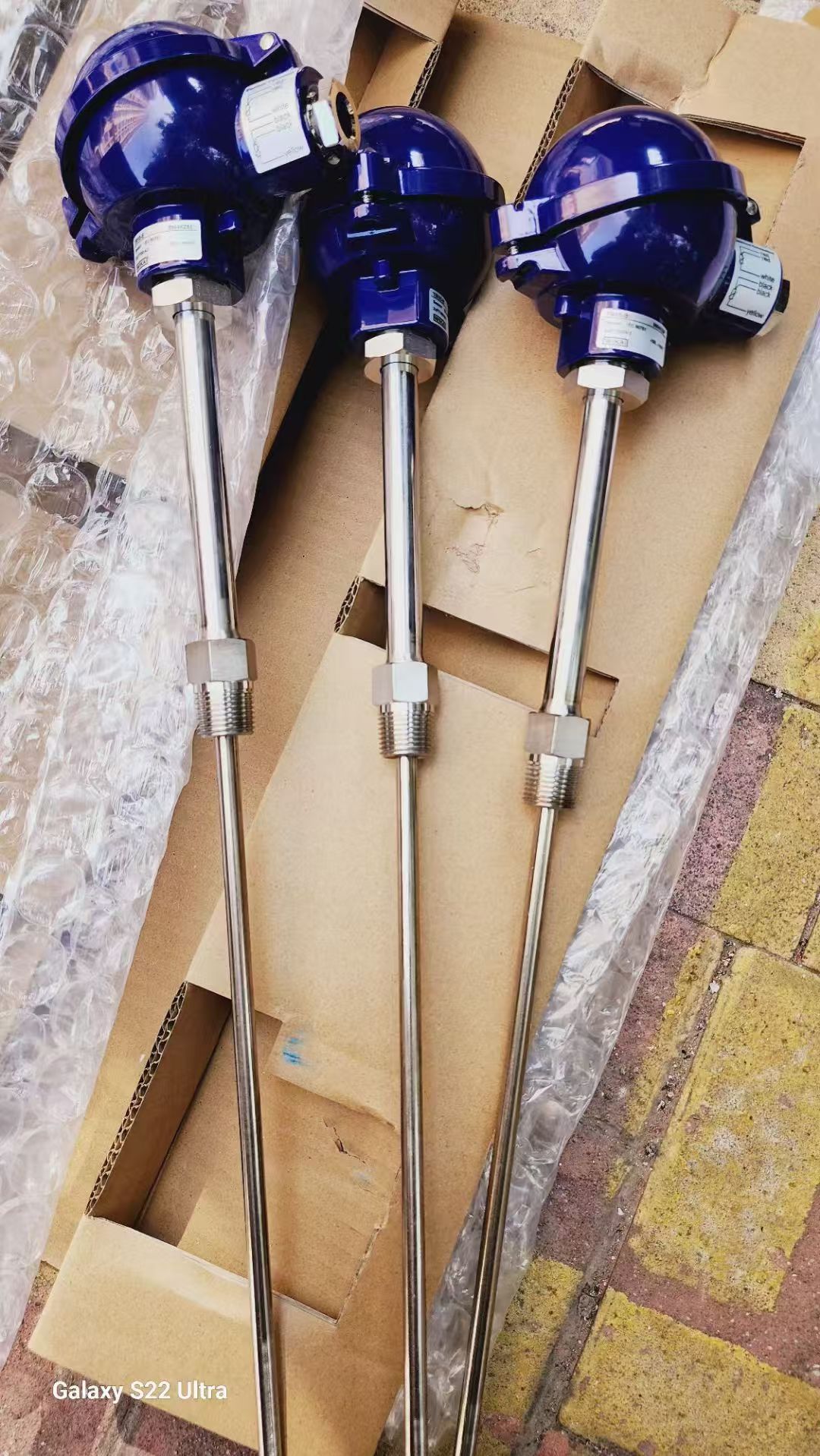
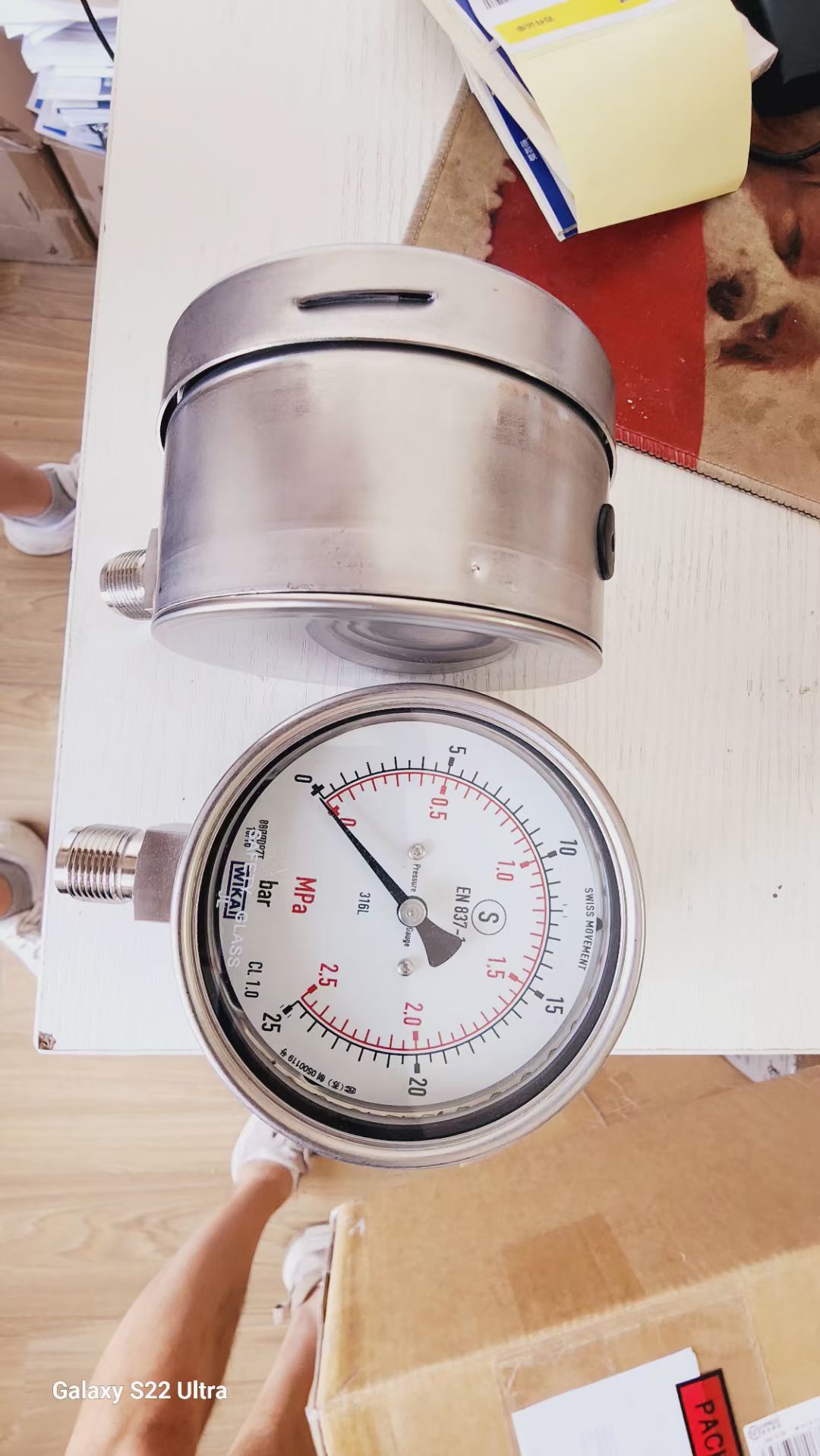
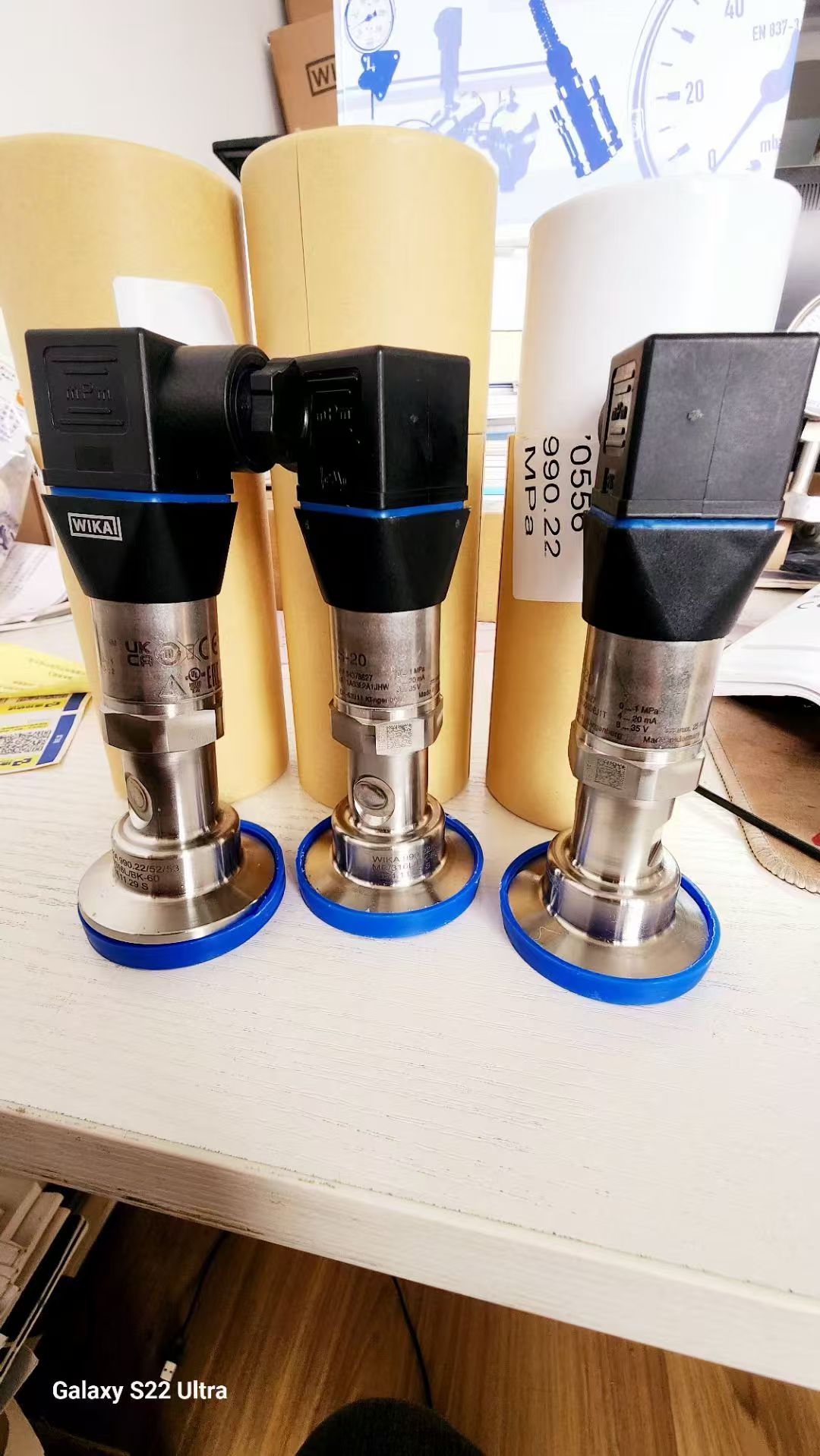
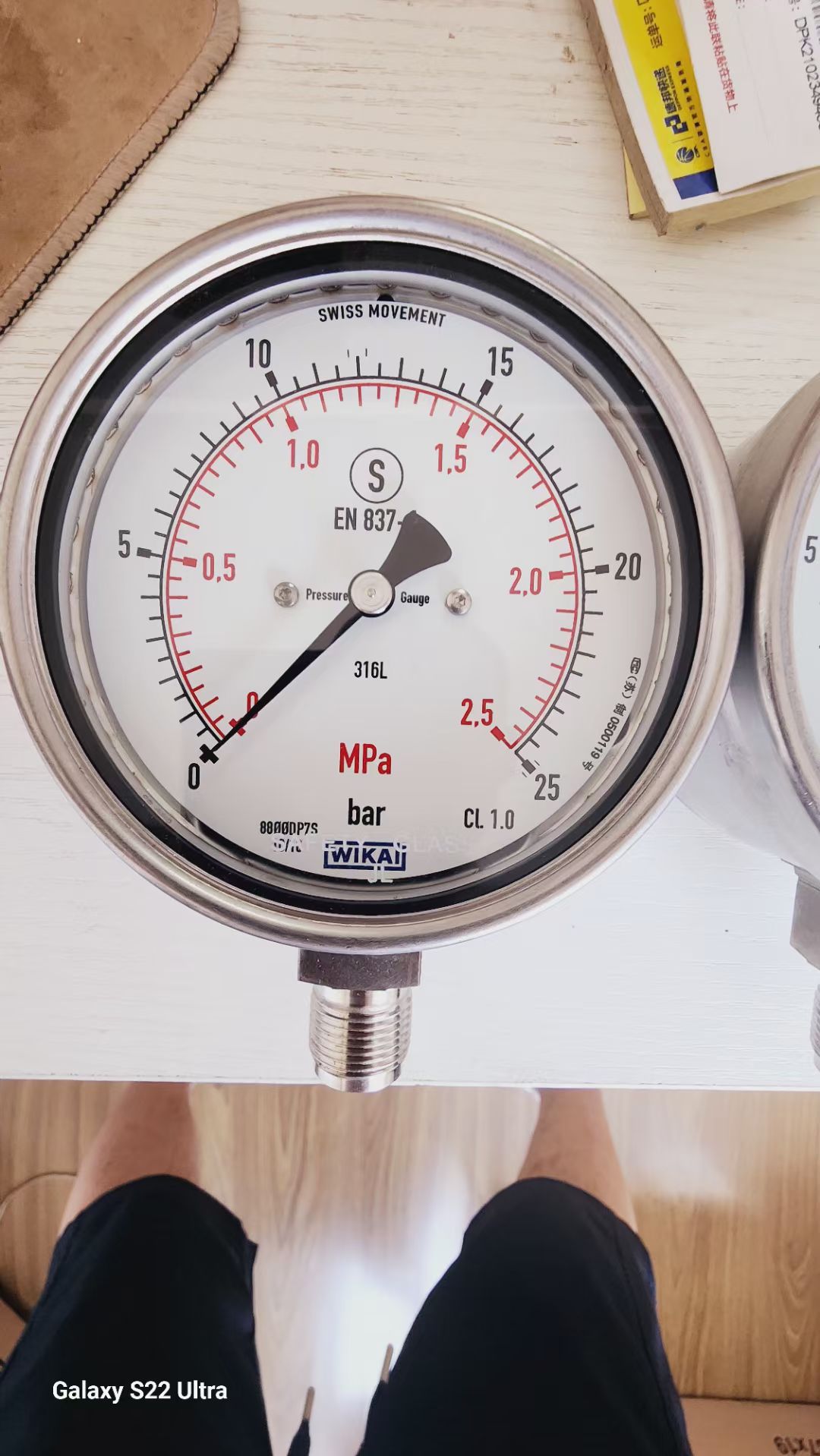
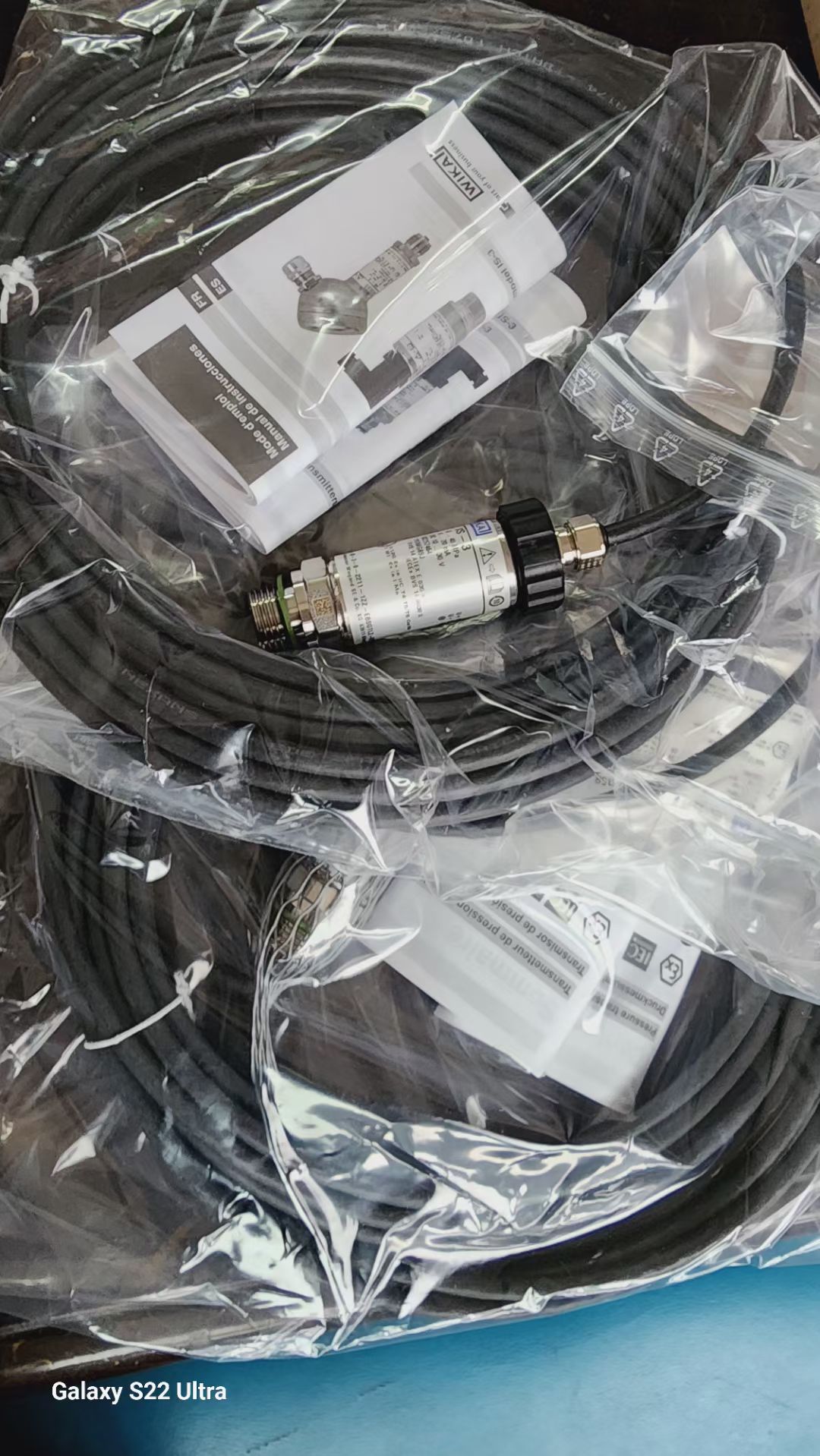
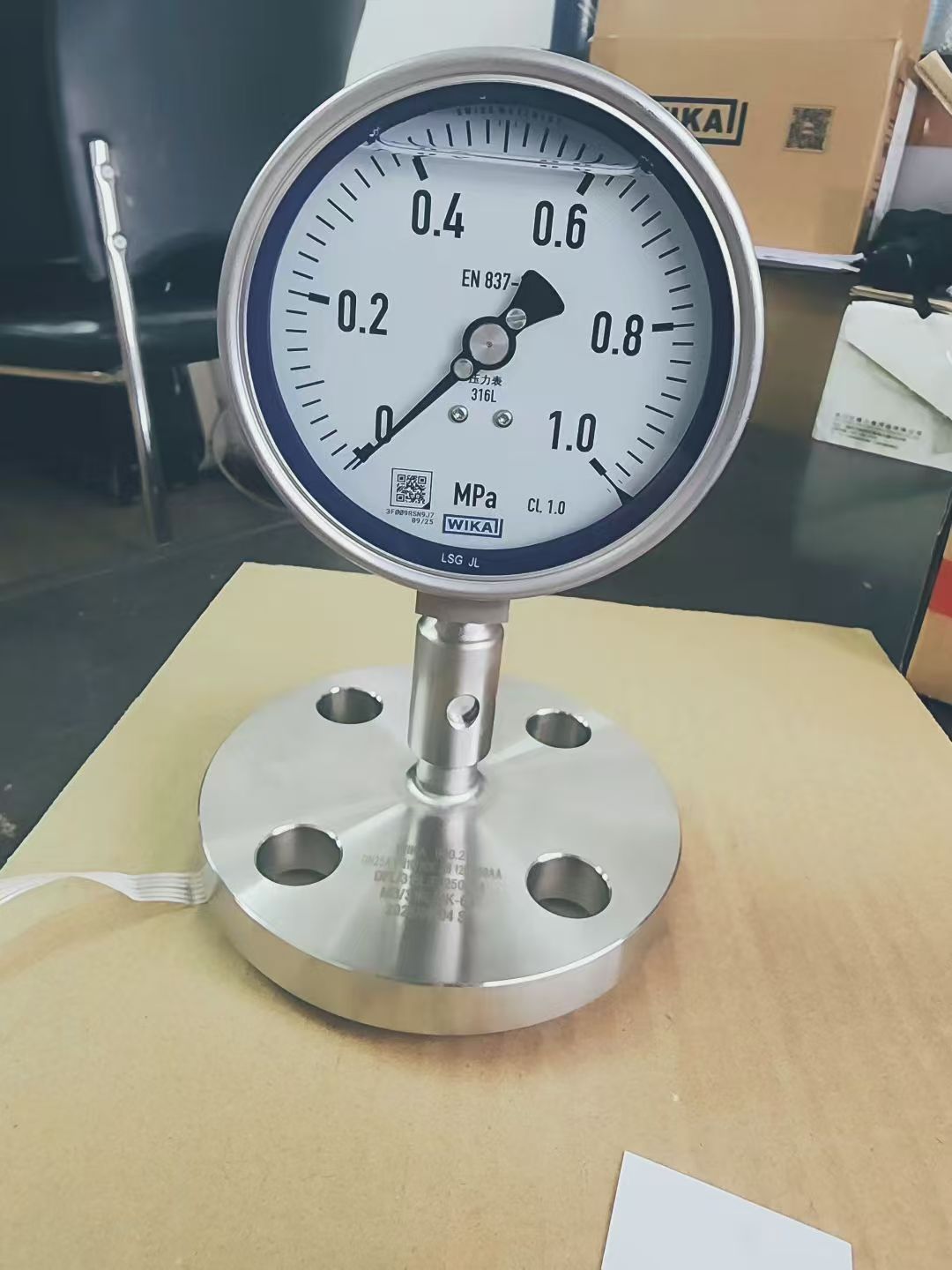
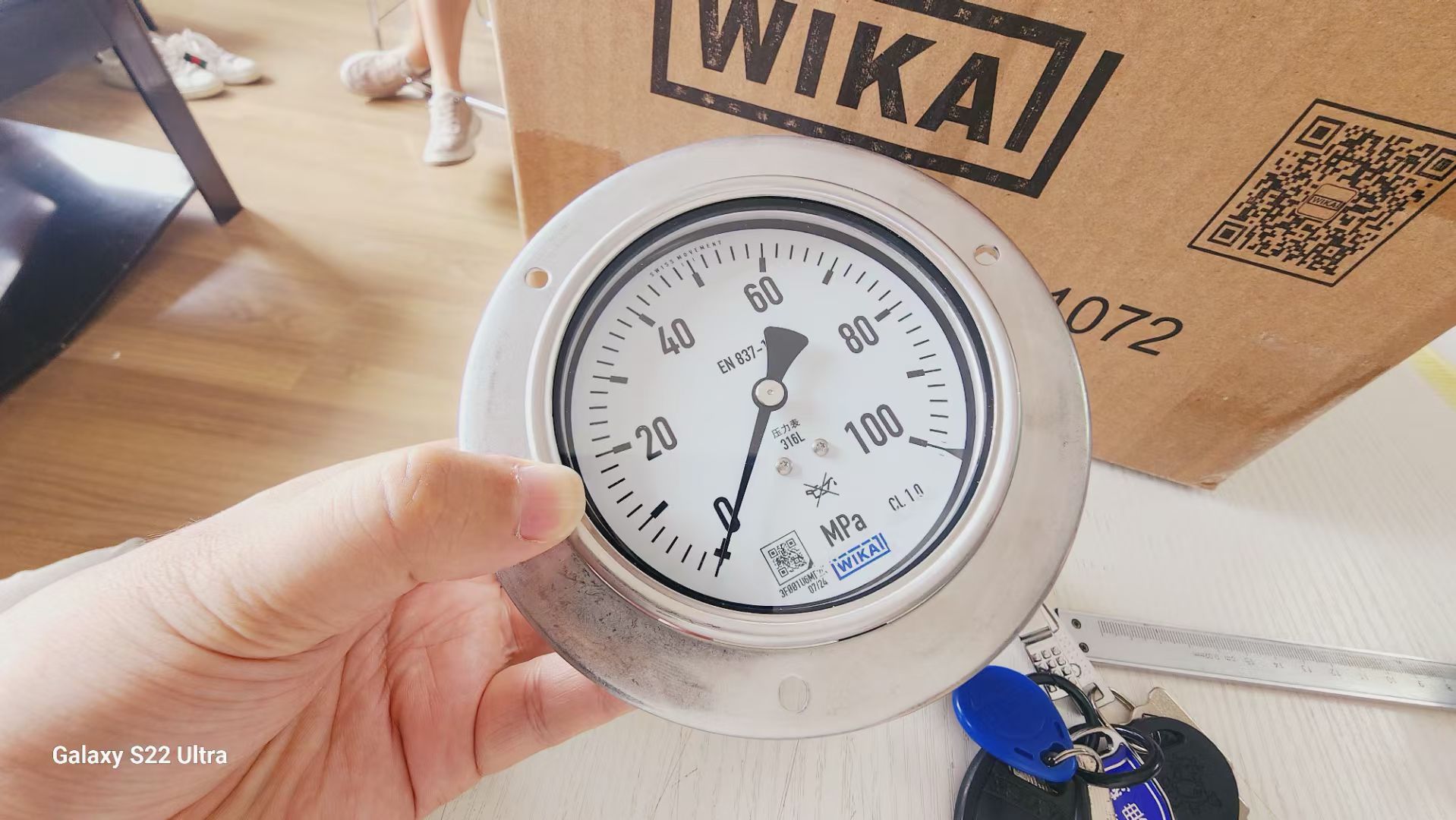
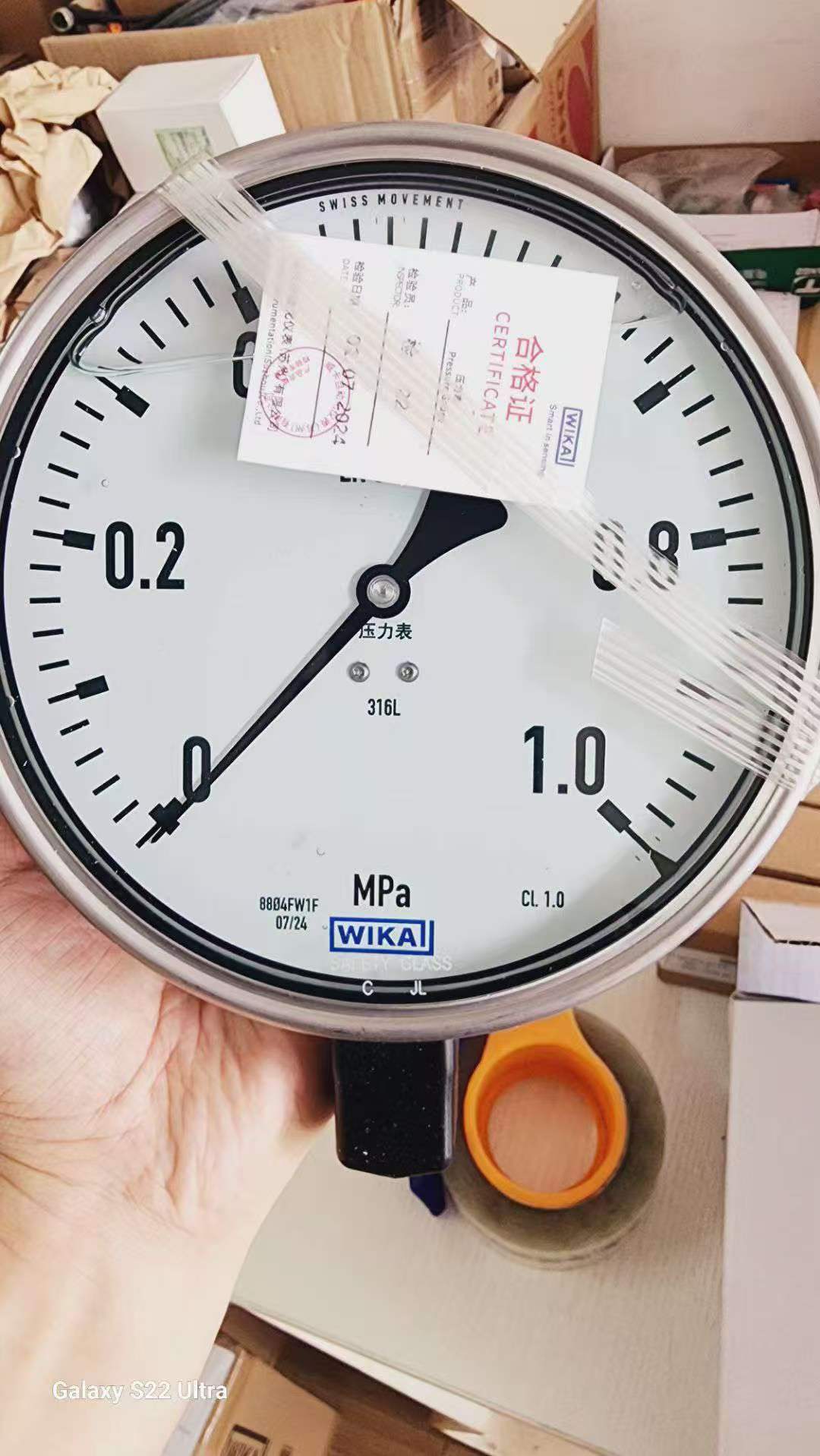
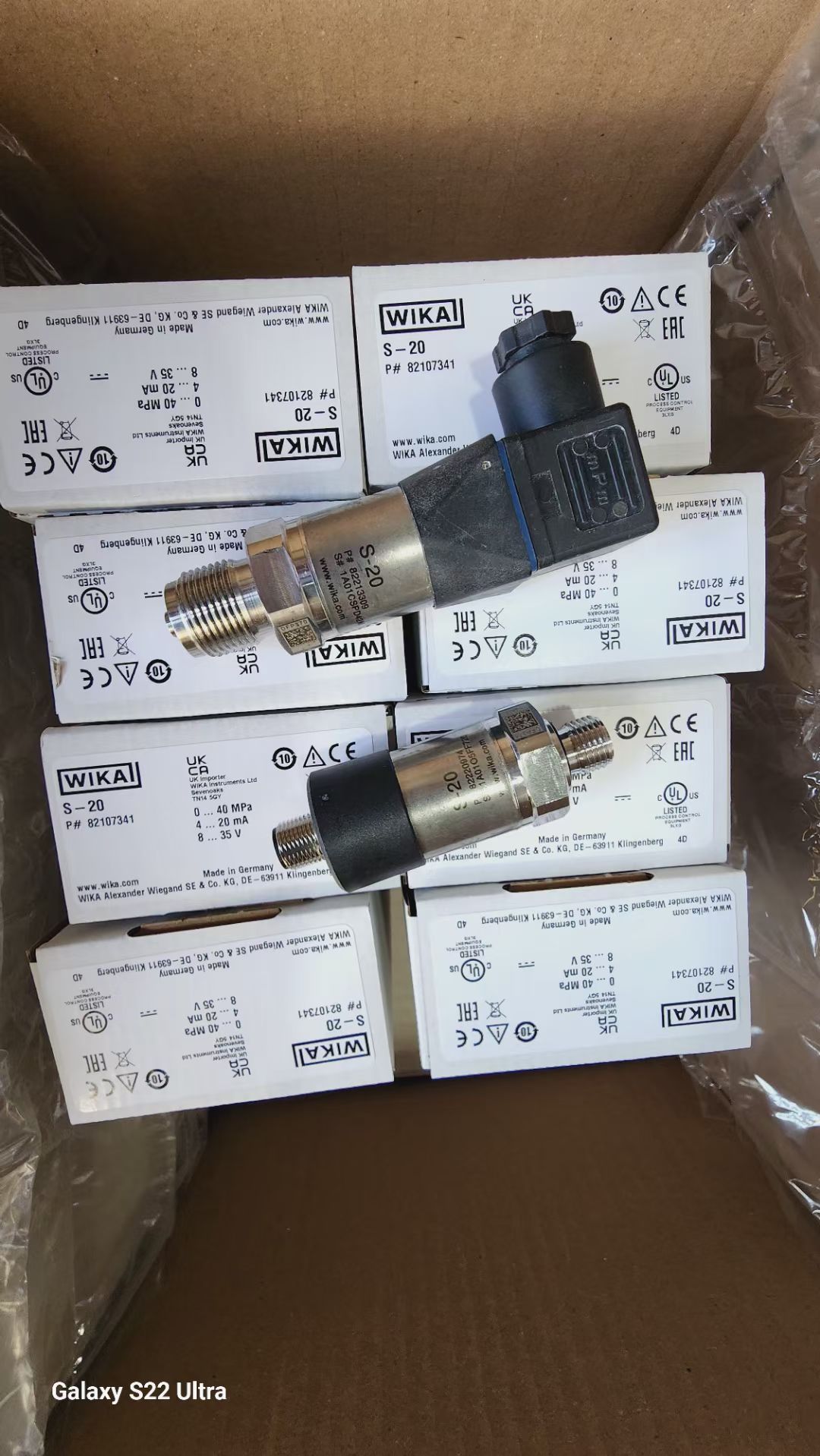
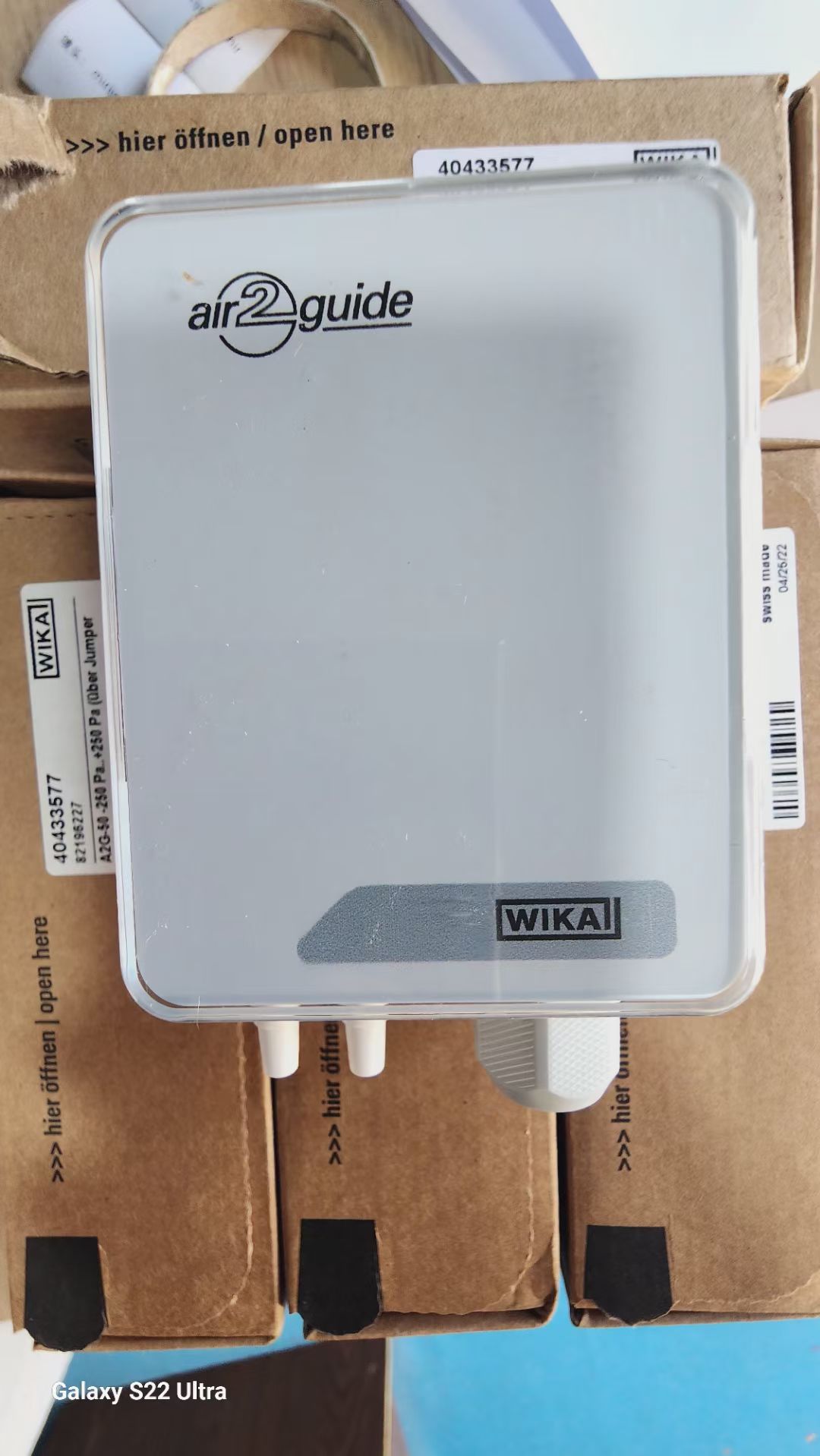
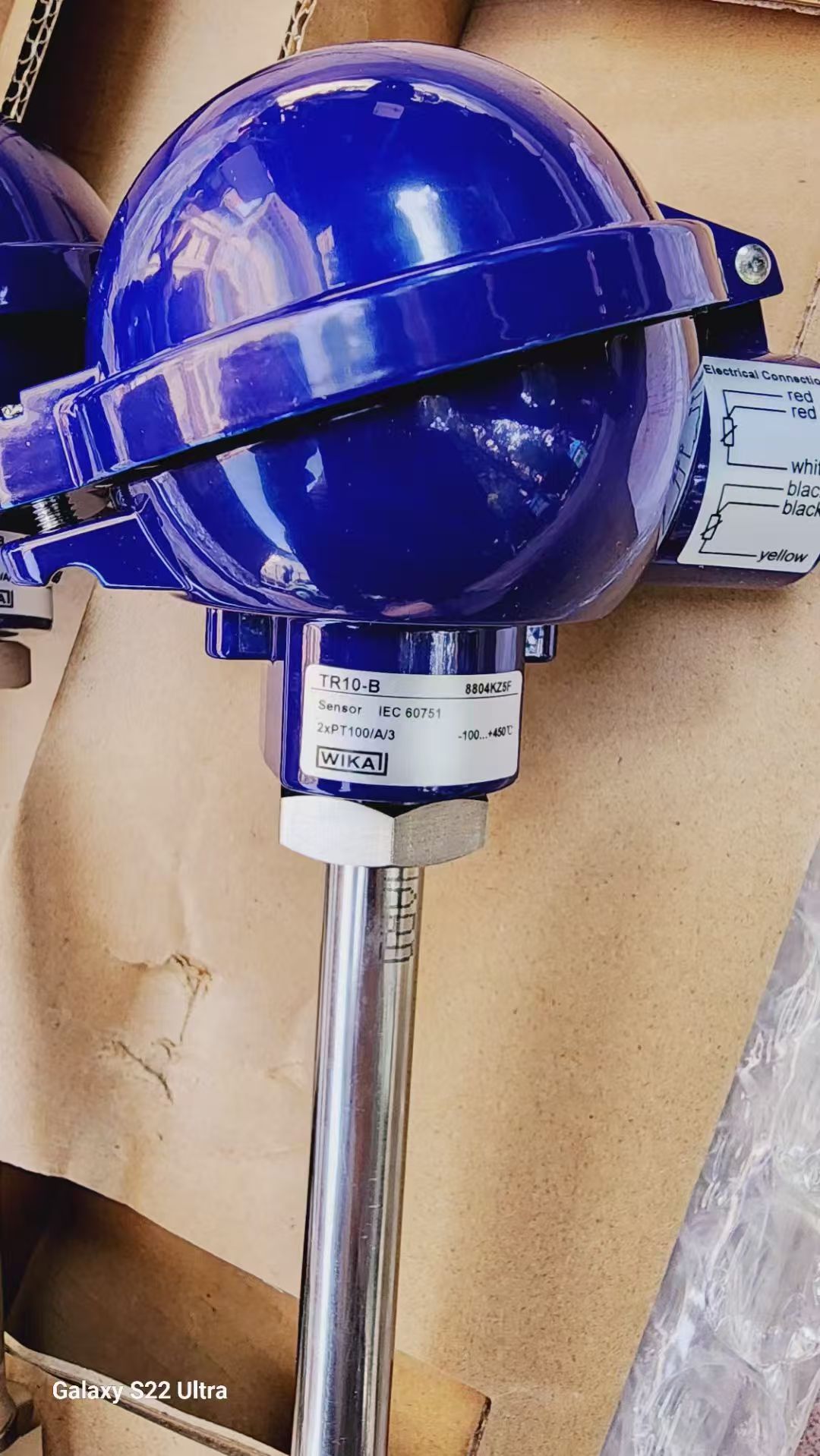
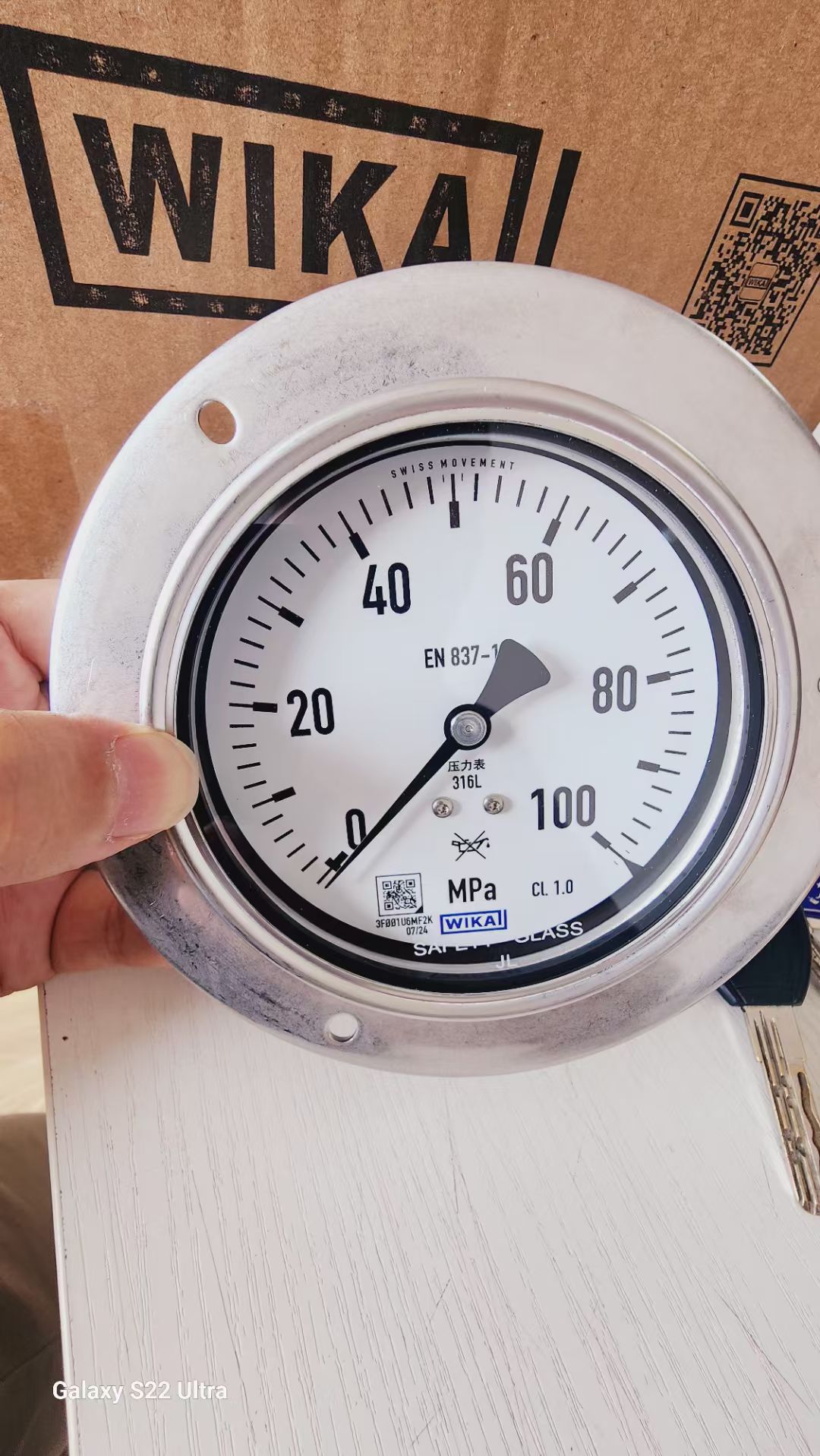
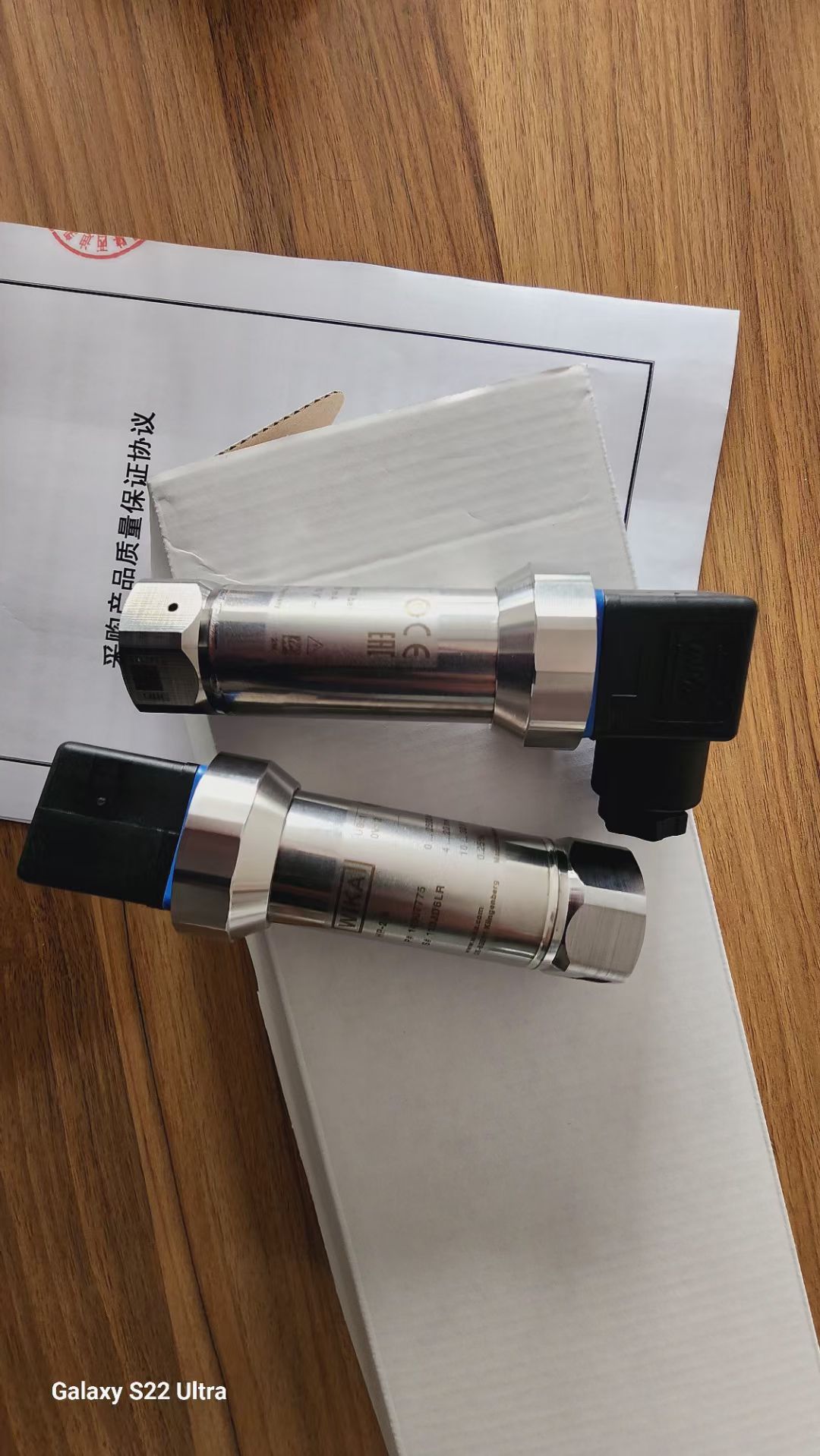
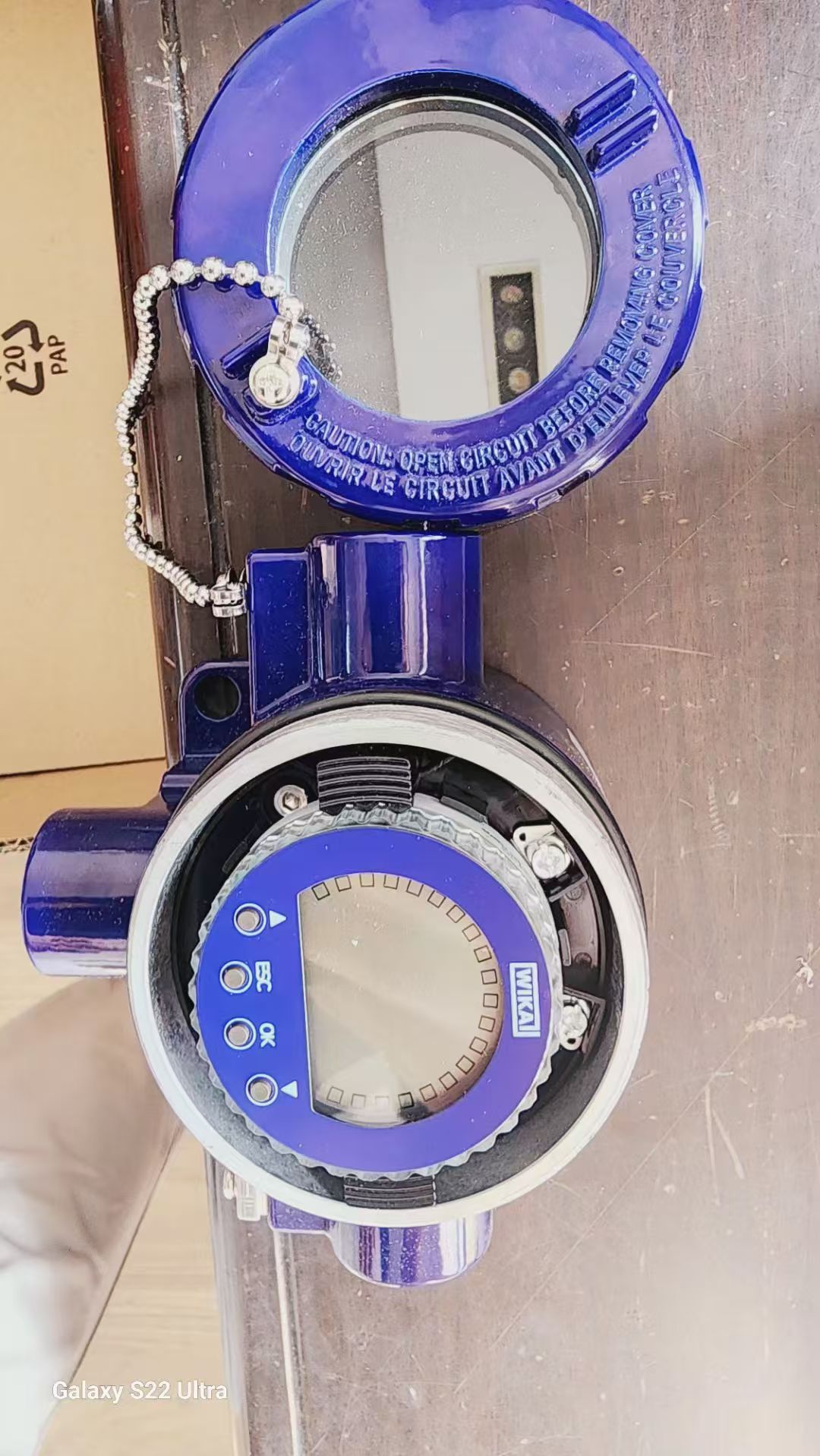
Glorient offers competitive supply of WIKA RS80. Competitive pricing, fast quotation.
WIKA RS80 - high-precision industrial measurement instrument.
WIKA is a global market leader in pressure and temperature measurement technology. With over 75 years of experience, WIKA instruments are trusted in process industries worldwide. Glorient is a professional supplier of genuine WIKA products with competitive pricing and fast worldwide delivery.
| Product Category | Temperature Measurement |
| Product Type | Accessories |
| Summary | For the WIKA refractory drilling system |
| Applications | Prevents refractory bricks from entering the nozzle of the TC82/TC83 Calitum ® high-temperature thermocouple |
| Key Features | Prepares an accurate, flat top surface of the refractory bricks for the drilling process Forms an accurate, smooth support surface for the main protection tube The refractory brick stop is positioned accurately in the process nozzle and adjusted according to the nozzle height |
| Description | For conventional all-weather temperature monitoring, the bottom surface of the refractory lining must be level to allow drilling and insertion of the TC82/TC83 Calitum ® high-temperature thermocouple. During installation of the refractory lining, excess material (e.g. glue or bricks) may enter the process nozzle. Any excess glue or brick at the bottom of the process nozzle will lead to surface irregularities. In addition, an uneven contact surface will cause the bore to be eccentric and inclined. Such a surface will cause the diamond drill to deviate from the centre when drilling begins, and continued drilling will form an angle with the nozzle. Due to the inaccurate opening, the high-temperature thermocouple may be installed in an inclined position, causing the process-side primary protection tube (main protection tube) and the secondary protection tube to break as a result of movement of the refractory lining. The WIKA refractory brick stop prevents excess material from entering the process nozzle. The protection is achieved through a transition structure from a sealing plate, flush with the bottom of the process nozzle, to the reactor shell. No other alternative preventive measures can reliably prevent residue. |
F6154 | FLC-EM | FSFD | GDS-MV | GPU-4000 | Hydra-Sensor | L990.58 | MH-3-HY | NETRIS®3 | PBV-FS | PG81, PG91 | PGT63HP.100, PGT63HP.160 | PXA | RLT-3000 | TC95-FP | TFT35 | TI.61102 | TLS-S | TR33 | TSD-30 | TW60 | WIKA-Cal | 422.12, 423.12 | 73x.24 | 990.17 | ACC-6 | CPD8500 | DPTL-20 | DSS27T | F2807
| Product Category | Temperature Measurement |
| Product Type | Accessories |
| Summary | For the WIKA refractory drilling system |
| Applications | Prevents refractory bricks from entering the nozzle of the TC82/TC83 Calitum ® high-temperature thermocouple |
| Key Features | Prepares an accurate, flat top surface of the refractory bricks for the drilling process Forms an accurate, smooth support surface for the main protection tube The refractory brick stop is positioned accurately in the process nozzle and adjusted according to the nozzle height |
| Description | For conventional all-weather temperature monitoring, the bottom surface of the refractory lining must be level to allow drilling and insertion of the TC82/TC83 Calitum ® high-temperature thermocouple. During installation of the refractory lining, excess material (e.g. glue or bricks) may enter the process nozzle. Any excess glue or brick at the bottom of the process nozzle will lead to surface irregularities. In addition, an uneven contact surface will cause the bore to be eccentric and inclined. Such a surface will cause the diamond drill to deviate from the centre when drilling begins, and continued drilling will form an angle with the nozzle. Due to the inaccurate opening, the high-temperature thermocouple may be installed in an inclined position, causing the process-side primary protection tube (main protection tube) and the secondary protection tube to break as a result of movement of the refractory lining. The WIKA refractory brick stop prevents excess material from entering the process nozzle. The protection is achieved through a transition structure from a sealing plate, flush with the bottom of the process nozzle, to the reactor shell. No other alternative preventive measures can reliably prevent residue. |