Service Hotline
18070781637
Email
18070781637@163.com
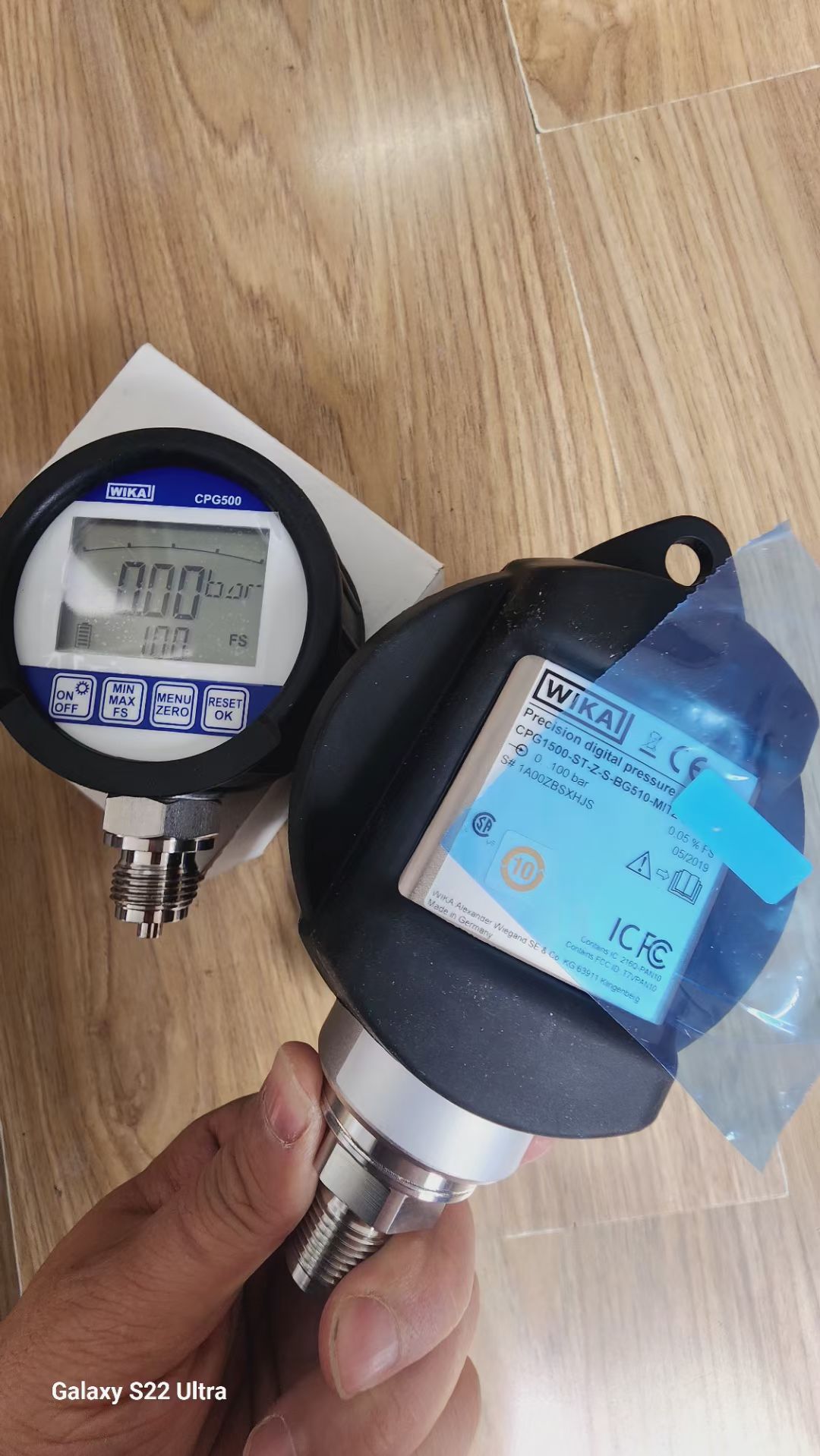
Glorient offers competitive supply of WIKA CTP2000, CTP9000. Competitive pricing, fast quotation.
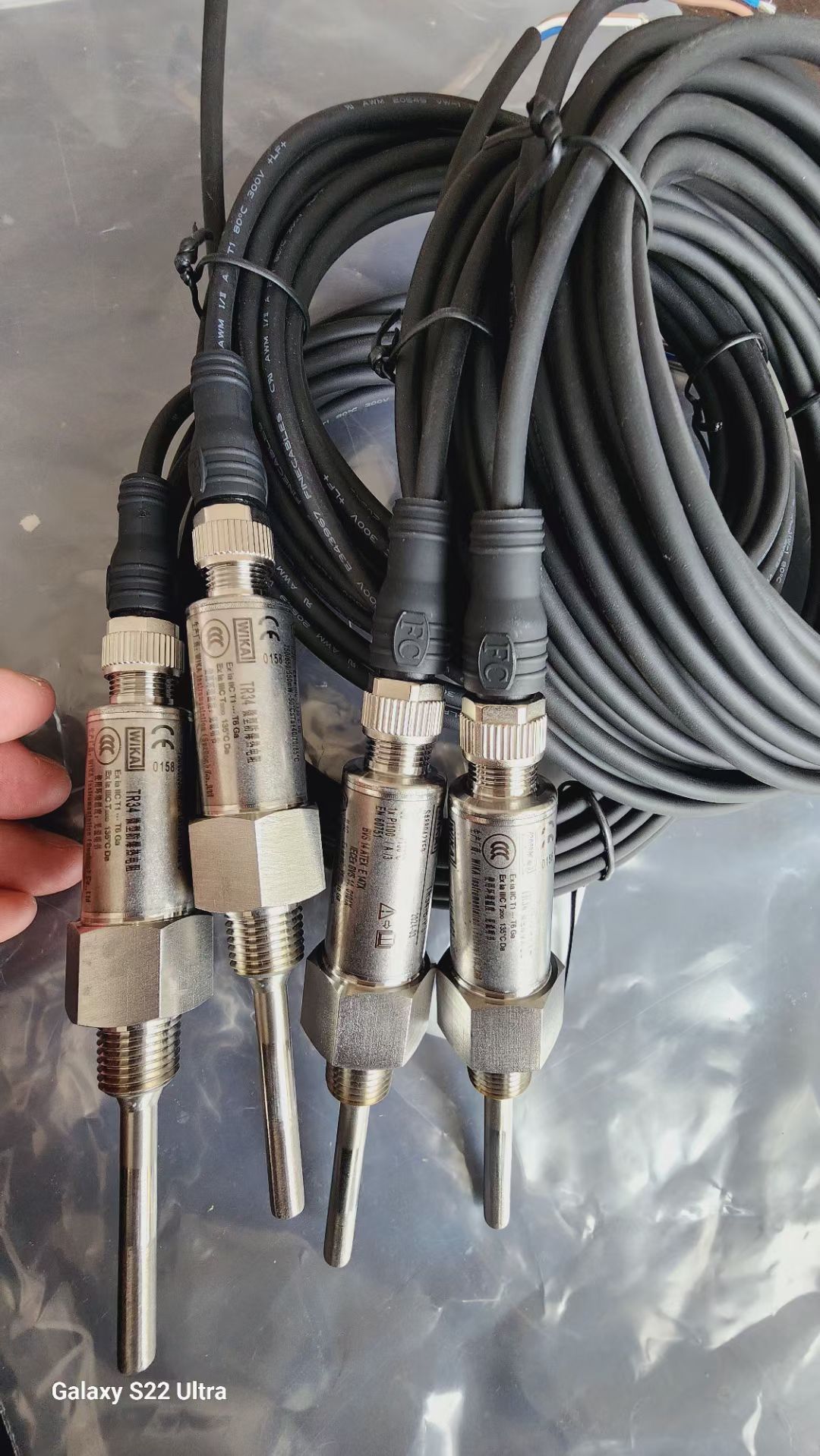
WIKA CTP2000, CTP9000 - high-precision industrial measurement instrument.
WIKA is a global market leader in pressure and temperature measurement technology. With over 75 years of experience, WIKA instruments are trusted in process industries worldwide. Glorient is a professional supplier of genuine WIKA products with competitive pricing and fast worldwide delivery.
| Product Category | Calibration Technology |
| Product Type | Reference thermometers |
| Applications | Comparison calibration in dry block calibrators, tube furnaces and liquid baths |
| Key Features | High stability Low drift, long service life Wide temperature range |
| Description | Calibration by means of an external standard thermometer The WIKA standard thermometers are particularly suited for applications in industrial laboratories. They enable easy comparative calibration in our baths, in tube furnace and in dry well calibrators.The use of an external reference thermometer is recommended, particularly for the calibration of short temperature sensors. Thus the errors due to the radial and axial temperature distribution in the temperature conditioning unit are considerably reducedThe precision measuring instruments of the CTR series, above all the model CTR3000 multi-functional precision thermometer are suitable as reading instruments. For calibration, the test items and the standard thermometer are brought to the same temperature in a temperature conditioning unit.As soon as a stable temperature is reached, the test items are read or their output signals are measured (resistance, thermoelectric voltage, standard signal) and compared with the standard thermometer. Using this comparison method, the measuring uncertainty can be considerably reduced because not only the display of the temperature conditioning unit is taken into consideration. |
990.17 | ACC-6 | CPD8500 | DPTL-20 | DSS27T | F2807 | iWU-20, iWU-25, iWU-26 | SD83 | TC52-M | TGS73 | TR20 | TRL10-4 | WSGC-02 | 111.11, 111.31 | 1500-8.5I | 230.15-851 | 55 | A43 | BFT | CPC3050 | DIH50, DIH52 | F1119 | F1814 | FLM-T, FLM-P | GCH-08, GCH-20 | LGG | TC10-2 | TC59-T | 300-2.75D | 404
| Product Category | Calibration Technology |
| Product Type | Reference thermometers |
| Applications | Comparison calibration in dry block calibrators, tube furnaces and liquid baths |
| Key Features | High stability Low drift, long service life Wide temperature range |
| Description | Calibration by means of an external standard thermometer The WIKA standard thermometers are particularly suited for applications in industrial laboratories. They enable easy comparative calibration in our baths, in tube furnace and in dry well calibrators.The use of an external reference thermometer is recommended, particularly for the calibration of short temperature sensors. Thus the errors due to the radial and axial temperature distribution in the temperature conditioning unit are considerably reducedThe precision measuring instruments of the CTR series, above all the model CTR3000 multi-functional precision thermometer are suitable as reading instruments. For calibration, the test items and the standard thermometer are brought to the same temperature in a temperature conditioning unit.As soon as a stable temperature is reached, the test items are read or their output signals are measured (resistance, thermoelectric voltage, standard signal) and compared with the standard thermometer. Using this comparison method, the measuring uncertainty can be considerably reduced because not only the display of the temperature conditioning unit is taken into consideration. |